
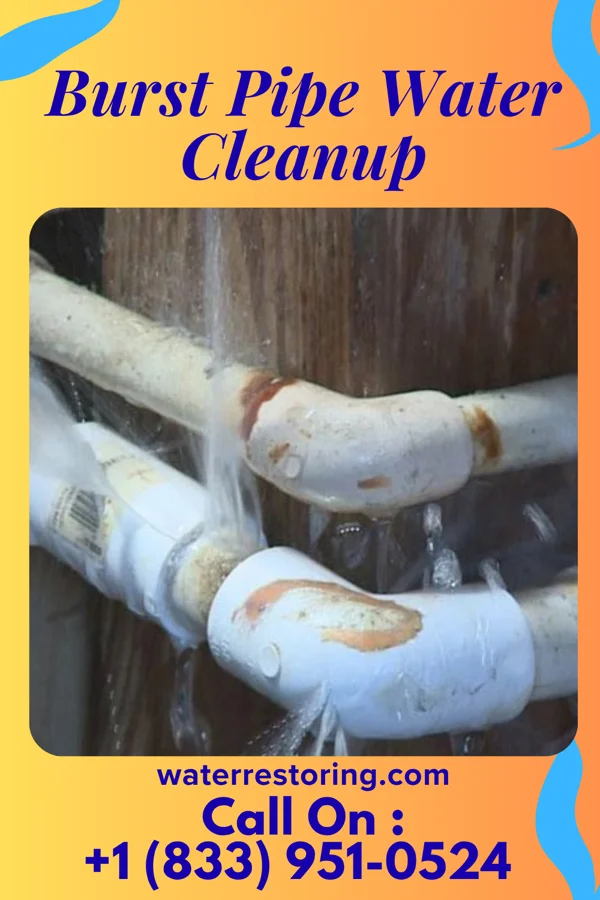
Why Pipes Burst in Cooperstown Homes
Most water damage emergencies in Cooperstown start with Cooperstown, Pennsylvania, is located in a rural area with older infrastructure, which increases the risk of burst pipes due to aging plumbing systems. The town's proximity to Hannasville, Sugarcreek, and Utica means that water main breaks in these nearby towns can affect Cooperstown's water supply and pressure, leading to potential pipe bursts in local homes.. A close second is The rural nature of Cooperstown means many homes are built with less modern plumbing materials, increasing the likelihood of pipe failures. Additionally, the town's lower population density can result in delayed responses to water main issues, exacerbating the risk of burst pipes in residential areas.. From the second water touches the property, every minute changes what gets saved and what gets ripped out.
Cooperstown's climate, characterized by cold winters and warm summers, creates a challenging environment for plumbing systems. The risk of burst pipes is heightened during the winter months due to freezing temperatures, which can cause water inside pipes to expand and rupture.
Most burst pipe water cleanup calls in Cooperstown come from Cooperstown, Pennsylvania, is located in a rural area with older infrastructure, which increases the risk of burst pipes due to aging plumbing systems. The town's proximity to Hannasville, Sugarcreek, and Utica means that water main breaks in these nearby towns can affect Cooperstown's water supply and pressure, leading to potential pipe bursts in local homes.. Running a close second is The rural nature of Cooperstown means many homes are built with less modern plumbing materials, increasing the likelihood of pipe failures. Additionally, the town's lower population density can result in delayed responses to water main issues, exacerbating the risk of burst pipes in residential areas.. Local mold risk: Cooperstown's humid summers and damp basements increase the risk of mold growth after a burst pipe. Prompt water extraction and drying are critical to prevent mold from taking hold, especially in older homes with less insulation.
For public guidance on the health effects of mold after prolonged water exposure, see the EPA mold and health page.